

Check out our Getaway Guide online or have us send you one. Have an immediate question? Call us at 1.800.337.5015
Get the Guide
By Moellyn Ramos Yetsko
For a town known for a battle about freedom, Gettysburg still holds a lot of stories people
never hear.
Most visitors come to Gettysburg expecting cannons, monuments, and Civil War history
frozen in time. They come looking for Lincoln. For the battlefield. For the turning point.
And they should.
But if America’s 250th anniversary is asking us to reflect on the story of this country, who
fought for freedom, who defined it, who was denied it, and who is still fighting to fully claim it, then Gettysburg becomes more than a historic destination.
It becomes a mirror.
Because the story of freedom in America did not end in Gettysburg in 1863.
And it did not reach everyone at the same time.
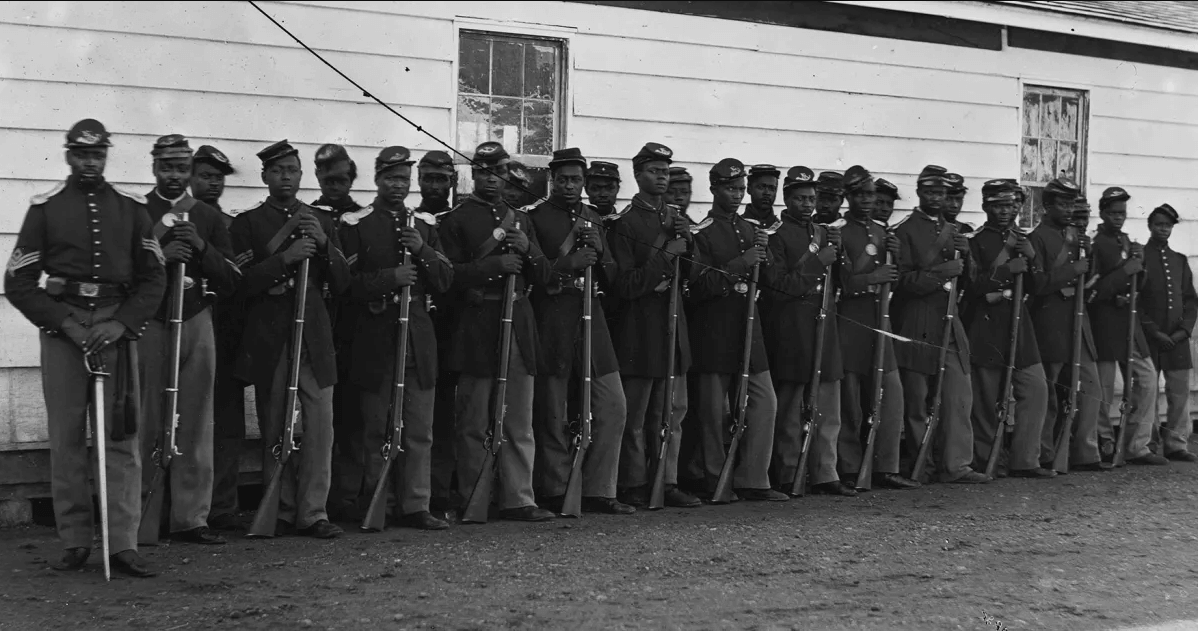
That’s what makes Juneteenth feel so powerful in this small central Pennsylvanian town.
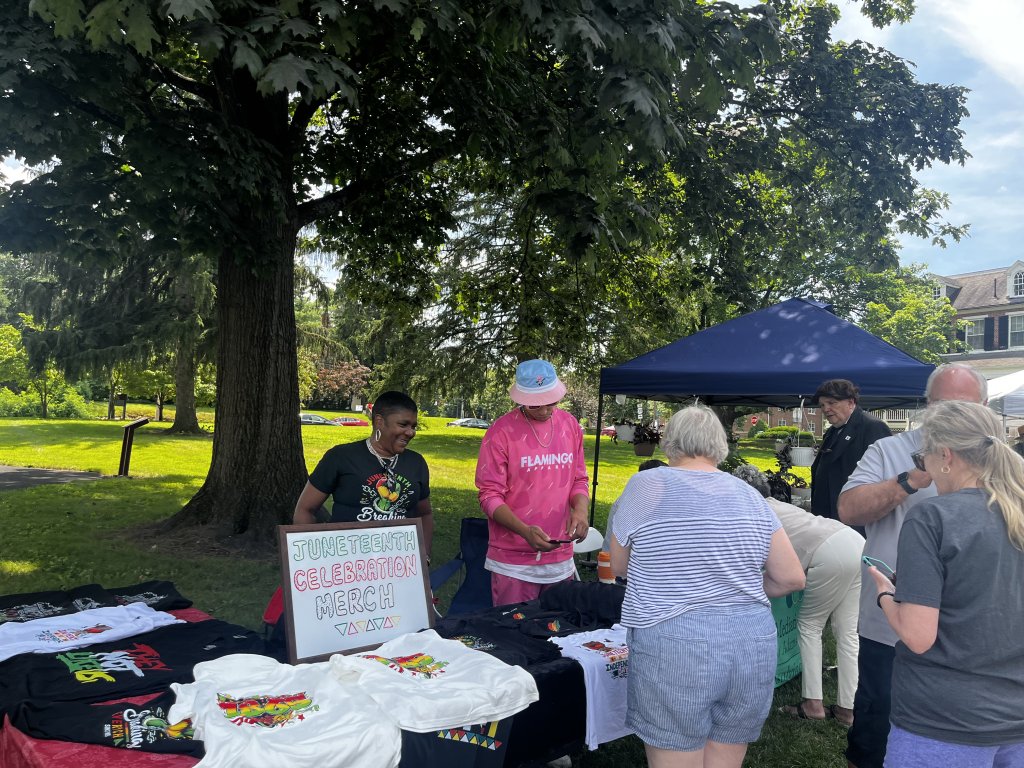
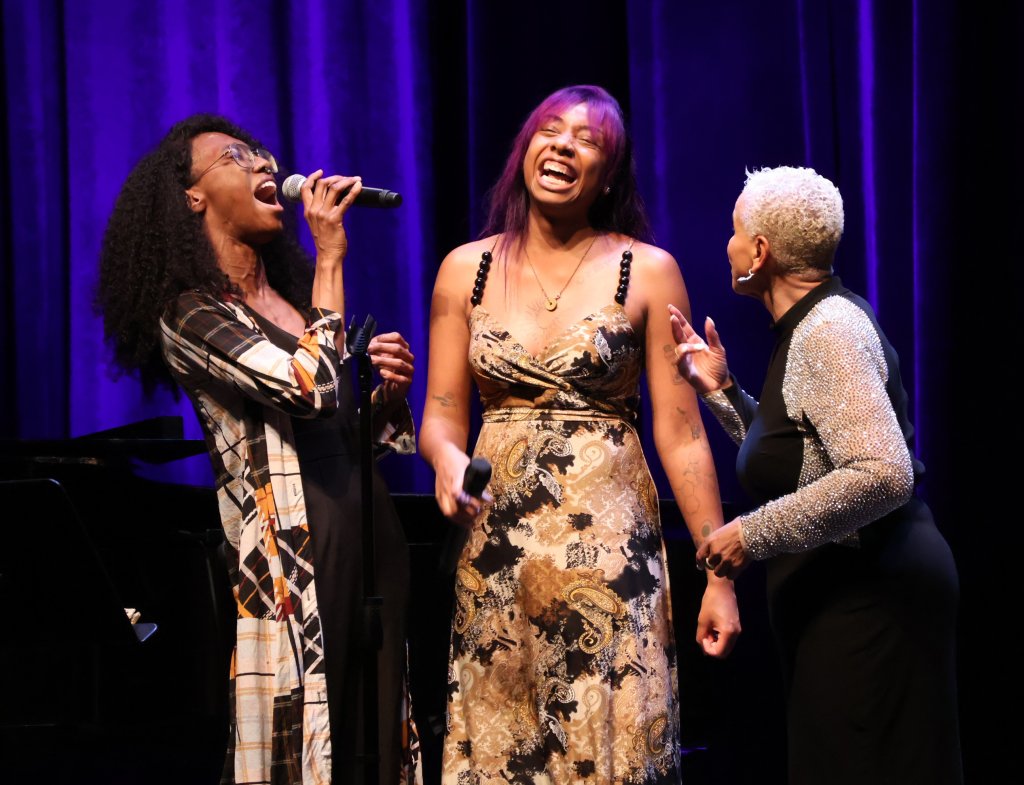
Across Gettysburg , the community will gather on June 19-20 for a weekend of music,
conversation, art, food, reflection, and celebration honoring Juneteenth, the day enslaved
Black Americans in Galveston, Texas finally learned they were free more than two years after the Emancipation Proclamation had already been issued.
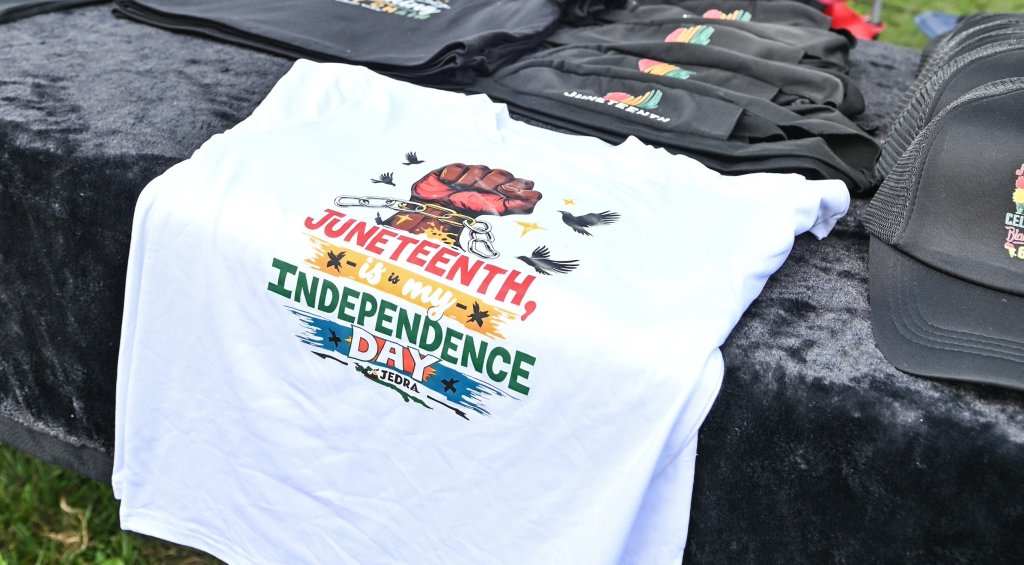
The gap between freedom promised and freedom delivered still says a lot about America.
And maybe that’s why Juneteenth resonates so deeply right now.
Not as a history lesson but, as something living.
You can hear it in the music.
In the conversations between generations.
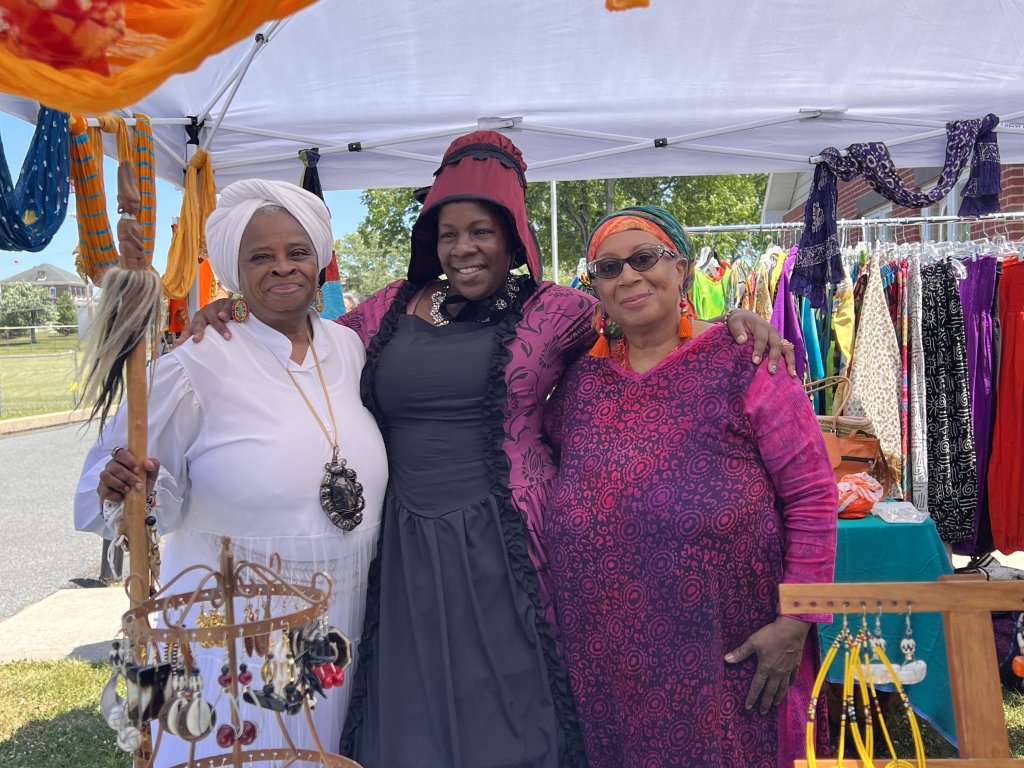
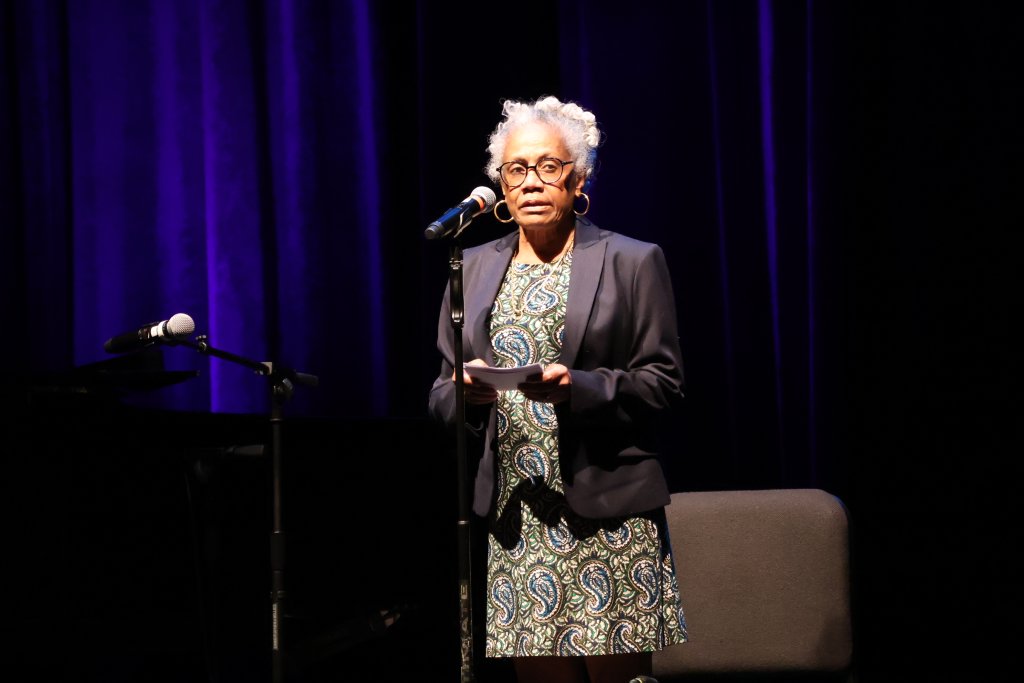
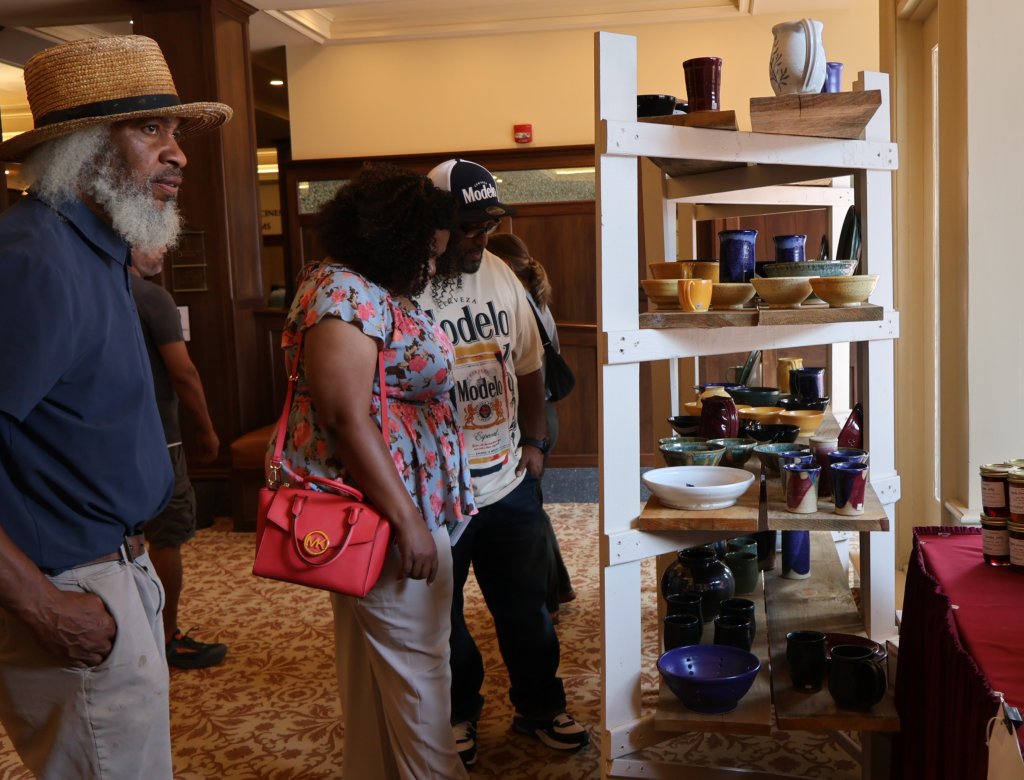
In the presence of Black artists, entrepreneurs, educators, performers, faith leaders, families, and community members reclaiming space in a place where Black history has too often existed in the background of the larger national narrative.
Black history in Gettysburg is not separate from Gettysburg’s story.
It is Gettysburg’s story.
Long before Juneteenth became federally recognized, Gettysburg Black residents were
building churches, founding businesses, fighting for education, resisting slavery, serving in the war effort, and shaping the moral conversations happening around freedom and citizenship in America.
And yet, many visitors leave Gettysburg without ever hearing those names.
That’s beginning to change.
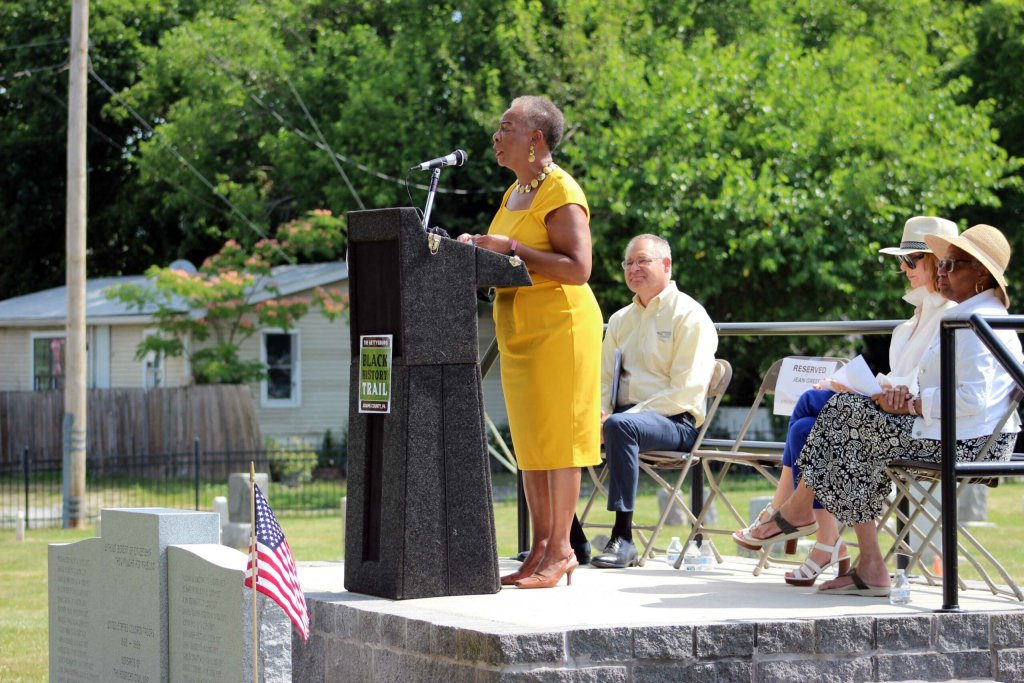
Through the Gettysburg Black History Trail, visitors are invited to experience a different side of the town, one that moves beyond the battlefield and into the lives, voices, and legacies of the Black community that helped shape Gettysburg before, during, and long after the Civil War.
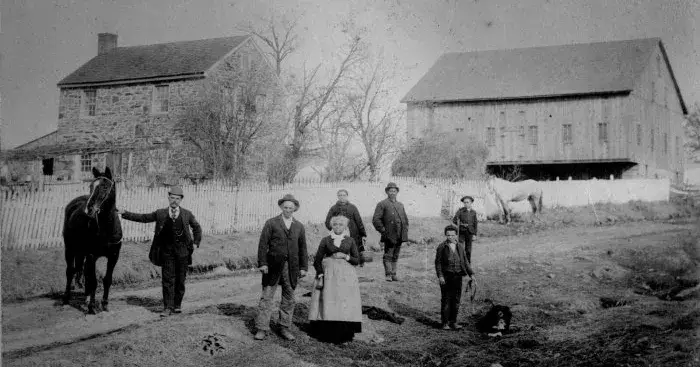
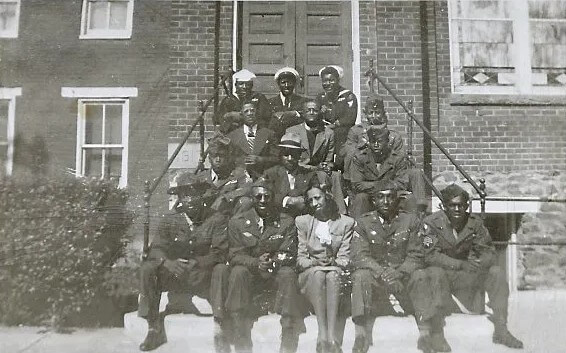
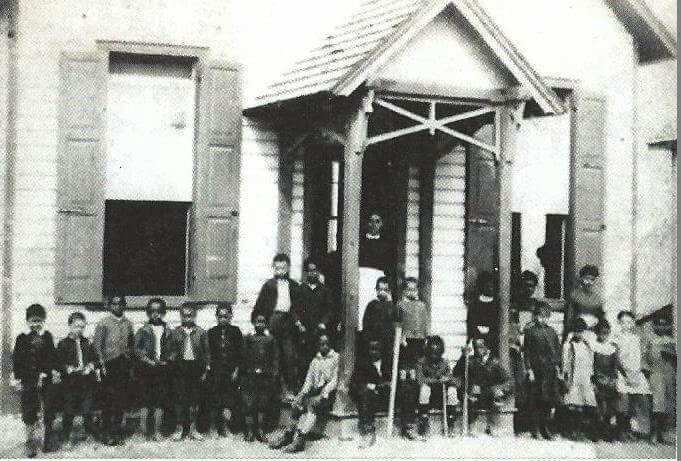
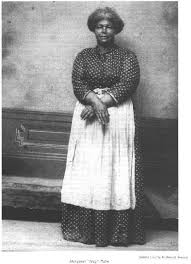
The trail connects historic sites, stories, and spaces that reveal a more complete version of
American history — Not a rewritten one, but a fuller one.
Gettysburg Juneteenth weekend becomes an entry point into that experience.
Visitors can attend community events, support Black-owned vendors and creators,
experience live performances, engage with local history, and spend time in a town uniquely
positioned within the larger American story of freedom, conflict, memory, and progress.
If Gettysburg represents the turning point of the Civil War, then Juneteenth reminds us that turning points alone do not guarantee justice.
People still have to carry freedom forward.
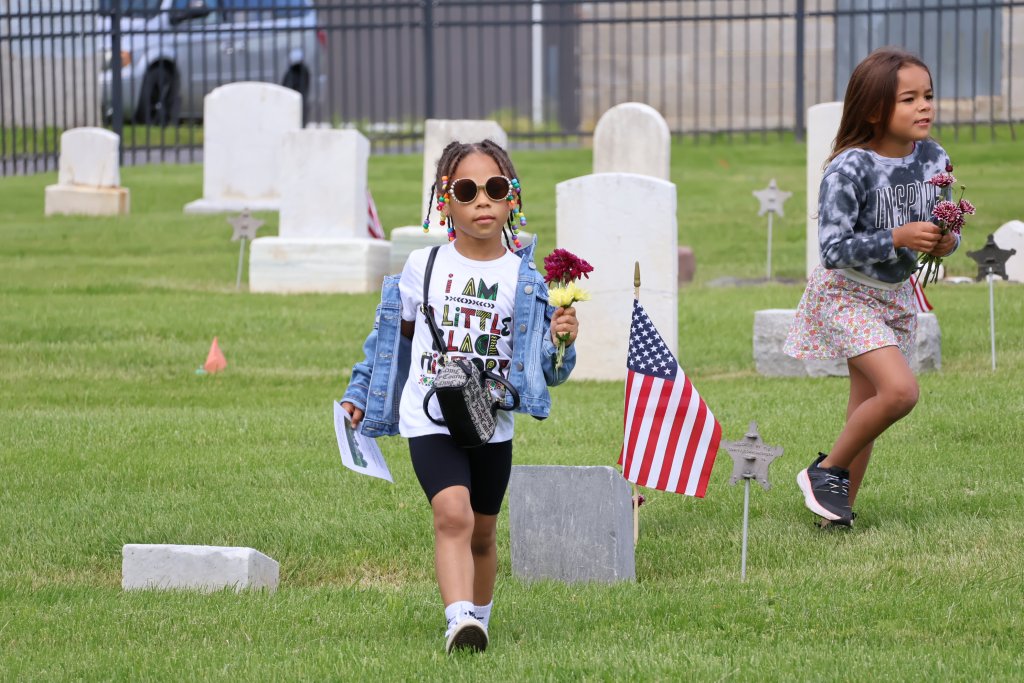
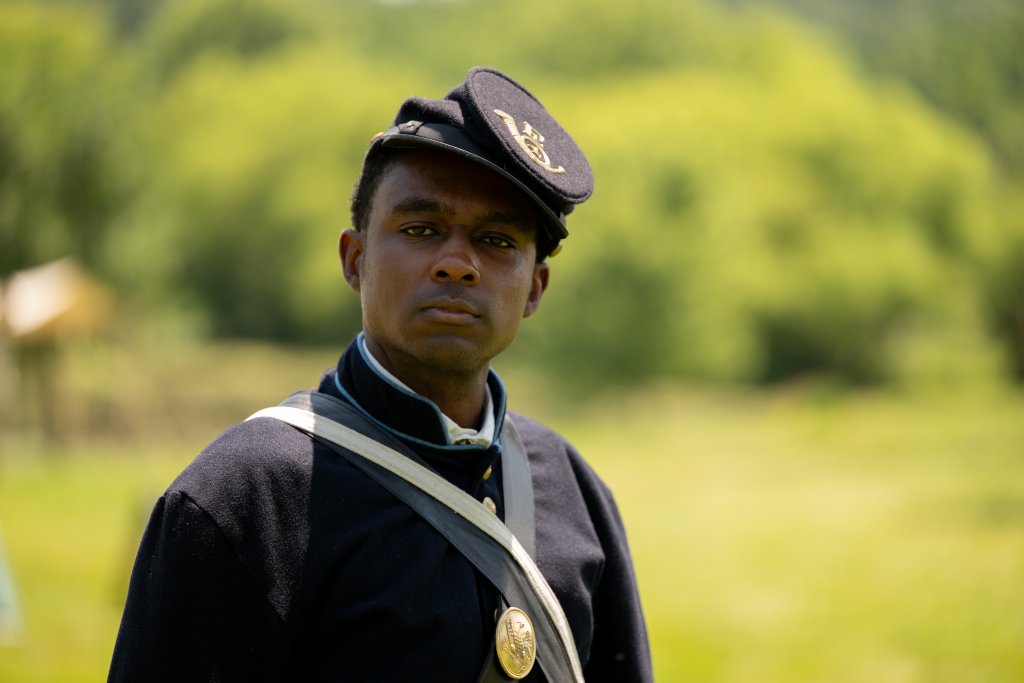
That’s what Gettysburg Juneteenth weekend is really about.
Not just looking back at history, but experiencing the people shaping it still.
This year, as America reflects on 250 years of its story, Gettysburg invites visitors to
experience a version of that story that is authentic, complete, and human.
Not just about the battlefield.
But the community.
The culture.
The questions.
The legacy.
And the freedom people are always fighting for.
Plan your Juneteenth weekend and explore Gettysburg’s Black History Trail.


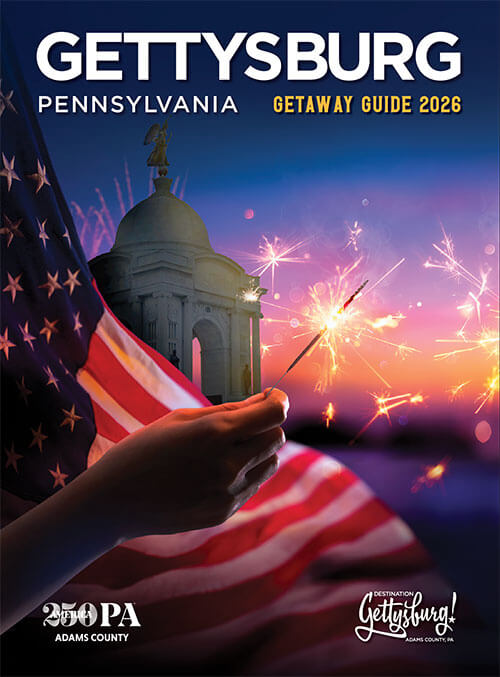
Check out our Getaway Guide online or have us send you one. Have an immediate question? Call us at 1.800.337.5015
Get the Guide
Don’t miss a thing that’s going on in Gettysburg; sign up to receive our fun and informative travel planning newsletter.
Let's Go