When visitors come to Gettysburg, they’re often surrounded by tales of the men who fought in that fateful 1863 battle, but the soldier’s story is not the only one worth telling.
Gettysburg’s history cannot be told without highlighting the people of its Black community. Basil Biggs and other Black citizens had an integral role burying the dead in the Soldiers National Cemetery where President Abraham Lincoln delivered the Gettysburg Address. Another notable citizen, Margaret “Mag” Palm, fought off kidnappers who likely intended to sell her into slavery. She then brought them to court, winning her case. These stories and other pieces of Gettysburg’s Black heritage are told through the self-guided Gettysburg Black History Trail, which includes key battlefield locations, local museums and historic downtown sites. The town’s first standalone Gettysburg Black history museum is expected to open in late 2027.
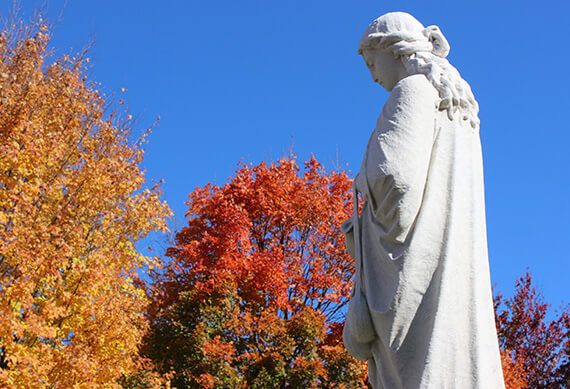
The women of Gettysburg kept the town running after the men left for war, and when the battle arrived on their own doorstep they rose to the occasion. Women fed hungry soldiers, nursed the wounded back to health and held the hands of the dying. Elizabeth Thorn dug 91 soldiers’ graves in Evergreen Cemetery while she was six months pregnant. Jennie Wade — the only civilian killed during the battle — was fatally shot while making bread to feed Union soldiers. Women’s strength and resilience continued long after the battle ended as they helped the town recover from devastation. The stories of ordinary civilians who took extraordinary action are told at several museums throughout Gettysburg.

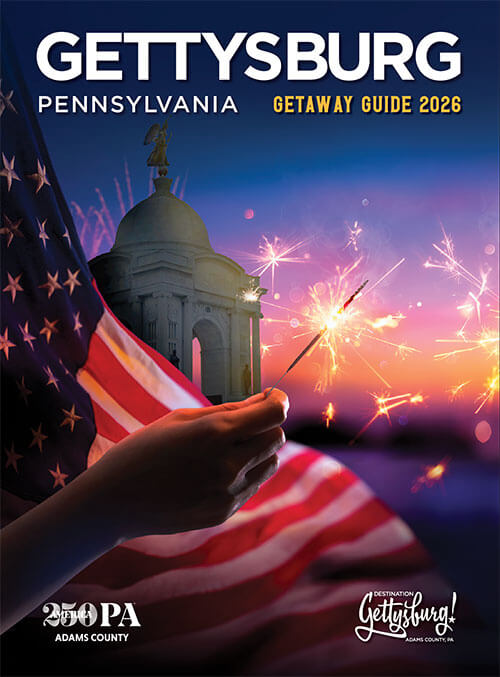
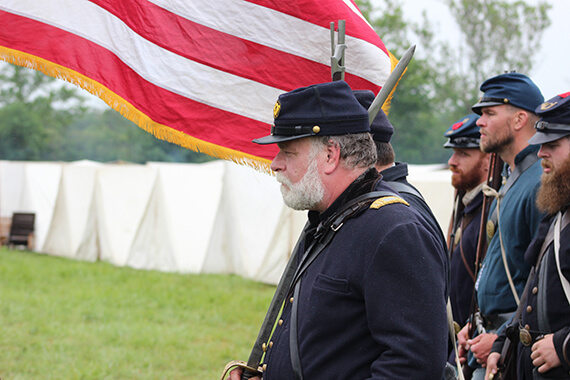 The story of America cannot be told without Gettysburg, where the bloodiest battle of the Civil War was waged and where President Abraham Lincoln delivered the immortal Gettysburg Address. This small town witnessed some of the most pivotal moments within America’s 250 years, and in honor of that history we’re planning a year-long celebration. Among the events to look forward to include the Battle of Gettysburg anniversary July 1–3, the battle re-enactment July 3–5 at the Daniel Lady Farm, and a total re-creation of the Gettysburg Address Nov. 18–19. In celebrating the country’s 250th birthday, visitors will see Gettysburg is one of those places they have to experience in person to fully appreciate the history that was made here.
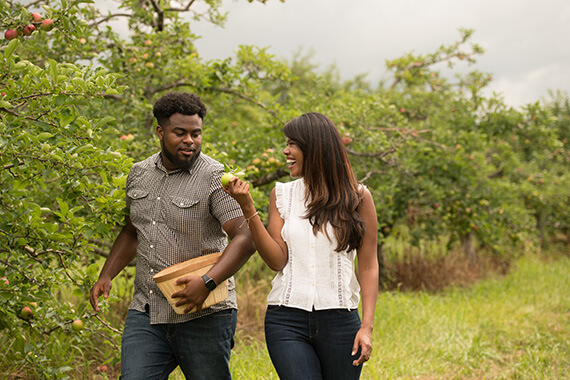 While Gettysburg is best known for its history, there are more stories to discover beyond the battlefield. In the countryside, apples, apricots, cherries, peaches, pears and more grow across thousands of acres. Adams County is the No. 1 producer of apples in Pennsylvania and in the Top 5 in the United States. This land is cared for by dedicated families who have been farming for generations. Farms have expanded their businesses by leaning into agritourism — offering pick-your-own fruit, hosting special events and even brewing their own libations. With this bounty comes a plentiful harvest, which many local restaurants utilize in their dishes. Visitors can spend their day shopping for treasures, catch a live show at the local theater, and hop from one restaurant to another as they enjoy the taste of Adams County.
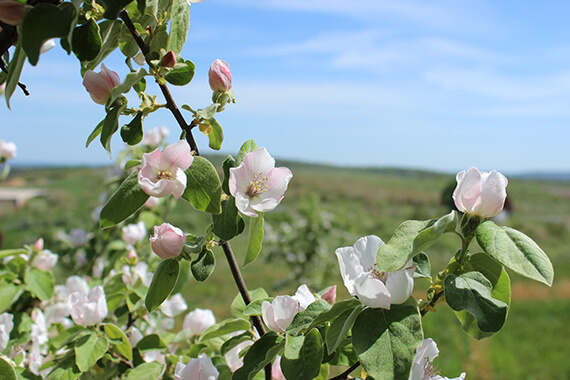 Each season brings out a new side of Gettysburg, and if you’ve only experienced one you are missing out. In the